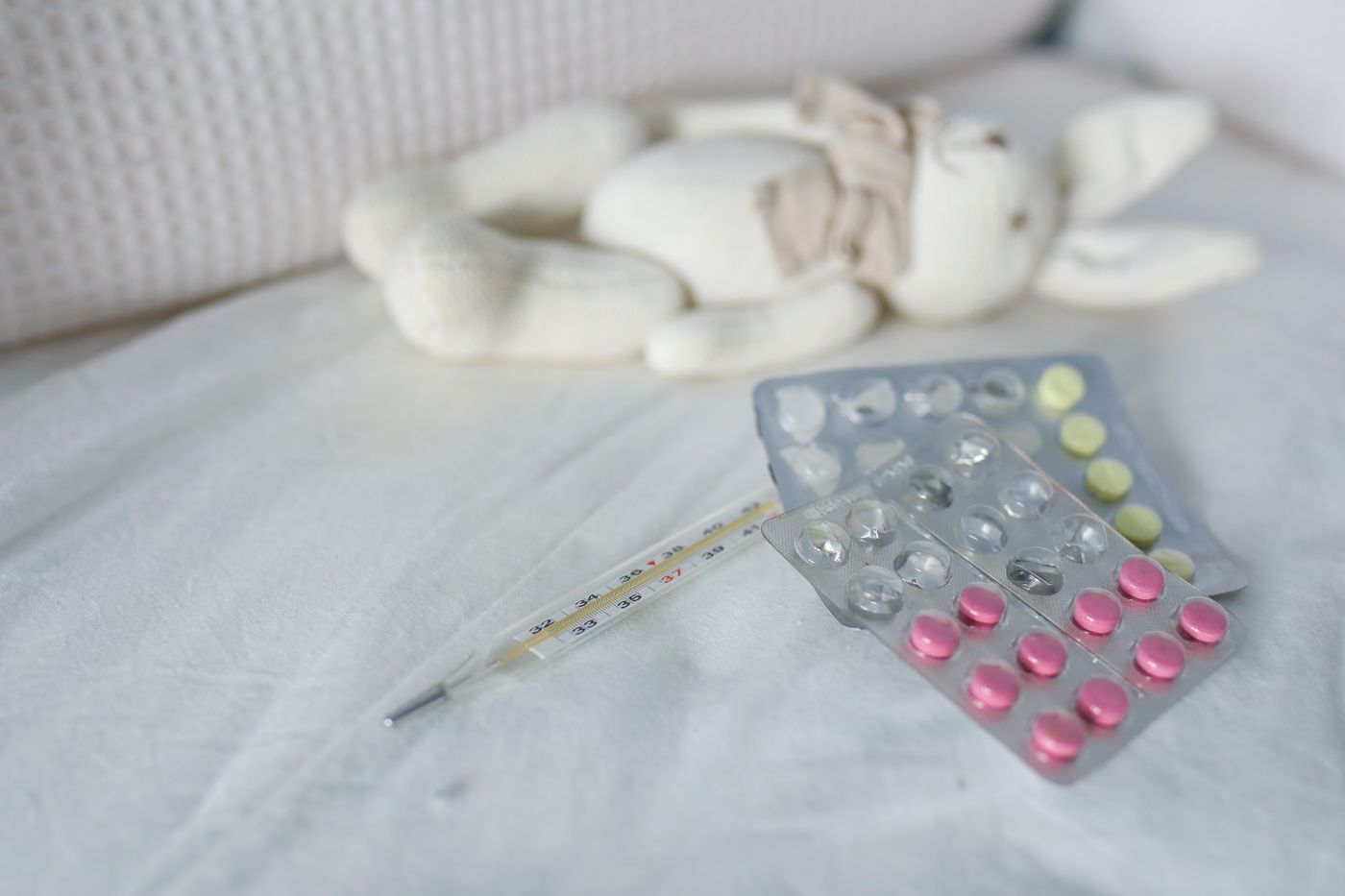
A fever is one of the most common reasons parents call a children’s clinic. In most cases, a fever is the body’s normal response to an infection, such as a cold. What matters most is how old your child is and how unwell they seem, not only the number on the thermometer.
Checking a temperature
A temperature of 100.4°F (38°C) or higher usually counts as a fever. A digital thermometer is the most reliable choice for home. For babies and young children, ask your doctor which method they recommend. Write down the reading and the time, which helps if you call the clinic.
Keeping your child comfortable
- Offer plenty of drinks, little and often
- Dress your child in light clothes and keep the room comfortably cool
- Let them rest, and let them eat what they feel like
- Ask your doctor or pharmacist before giving a fever medicine, and always follow the dose for your child’s age and weight
- Never give aspirin to children unless a doctor tells you to
Call the clinic if
- Your baby is younger than three months and has a temperature of 100.4°F (38°C) or higher: call straight away
- The fever lasts more than two or three days, or keeps coming back
- Your child has signs of dehydration, such as very few wet nappies, a dry mouth or no tears when crying
- Your child has ear pain, a sore throat, a rash, or pain when passing urine
- Your child seems more unwell than you would expect, or you are simply worried
Call 911 if your child
- Has trouble breathing, or their lips or face look blue or grey
- Is very hard to wake, floppy or confused
- Has a seizure
- Has a rash that does not fade when you press a glass against it
- Has a stiff neck together with a fever
You know your child best. If something feels wrong, call us, or our after-hours line when the clinic is closed.
This article is general information, not medical advice. If you are worried about your child, call your doctor. In an emergency, call 911.