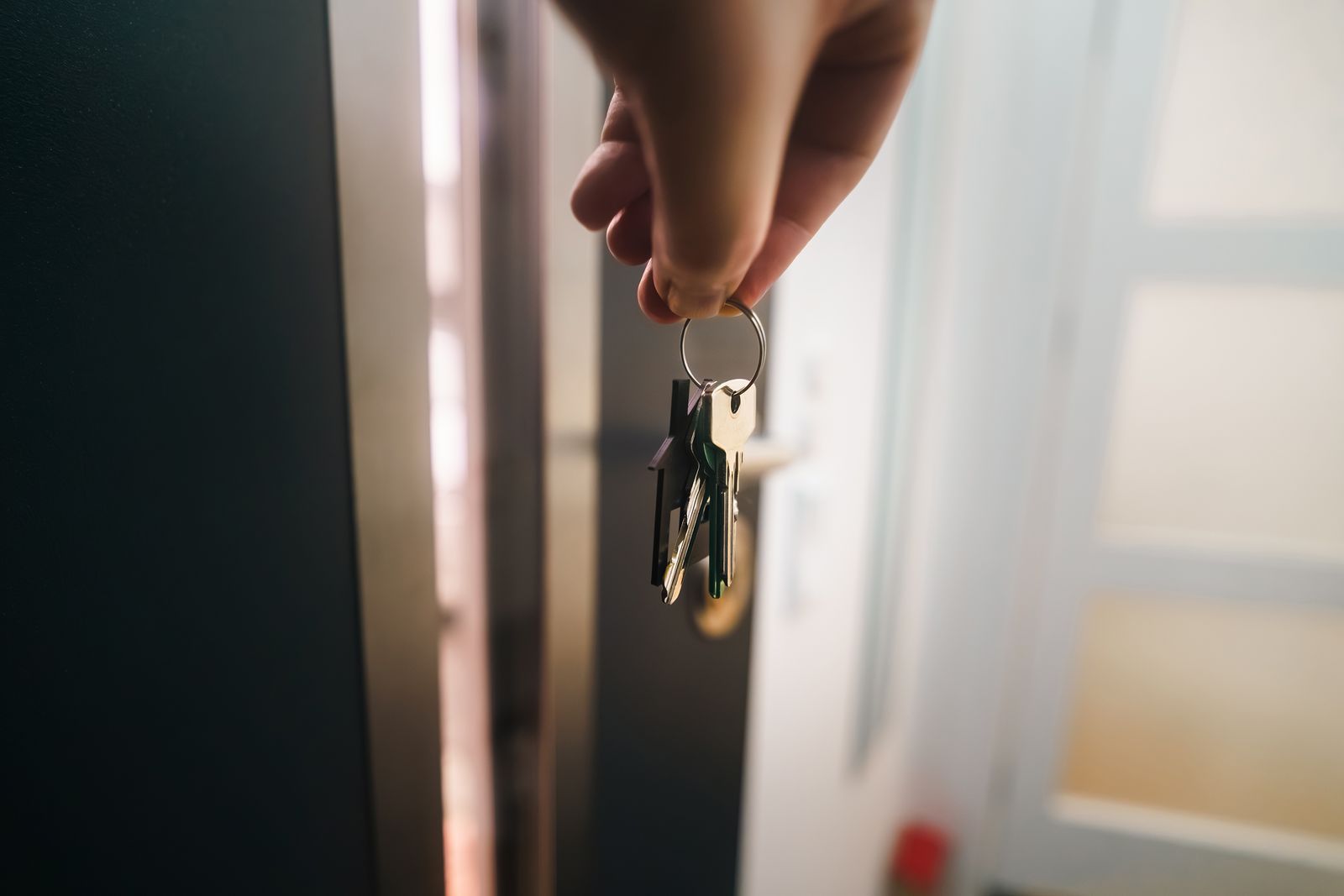
Most people only think about their locks when something goes wrong. But there are a few everyday moments when changing or rekeying them is the simplest way to know exactly who can get in.
Times to change or rekey your locks
- You moved into a new home. You do not know how many copies of the old keys are out there: previous owners, tenants, cleaners or builders may still have one.
- Keys are lost or stolen. Especially if they were on a ring with something that shows your address.
- A tenant, lodger or employee has left. Landlords and businesses often rekey between occupants so old keys stop working.
- After a break-in or attempted break-in. A damaged lock may no longer be secure, even if it still turns.
- The lock is worn or hard to turn. A sticking key or a loose cylinder is a sign the lock is near the end of its life.
Rekey or replace?
Rekeying changes the inside of the lock so a new key works and the old ones do not. You keep the same hardware, so it usually costs less and takes little time.
Replacing fits a new lock. Choose it when the lock is damaged or worn, when you want a higher security grade, or when you are upgrading, for example to a smart lock or a lock that meets your insurance policy’s wording.
Tips before you book
- Count the doors, including back, side and garage doors, so you get an accurate price.
- Ask whether one key can open several doors (keyed alike) if that suits you.
- Check your home insurance documents for any lock requirements.
- Keep a spare key somewhere safe, not under the doormat.
Not sure which you need? A locksmith can look at the lock and explain the options and the price before any work starts.