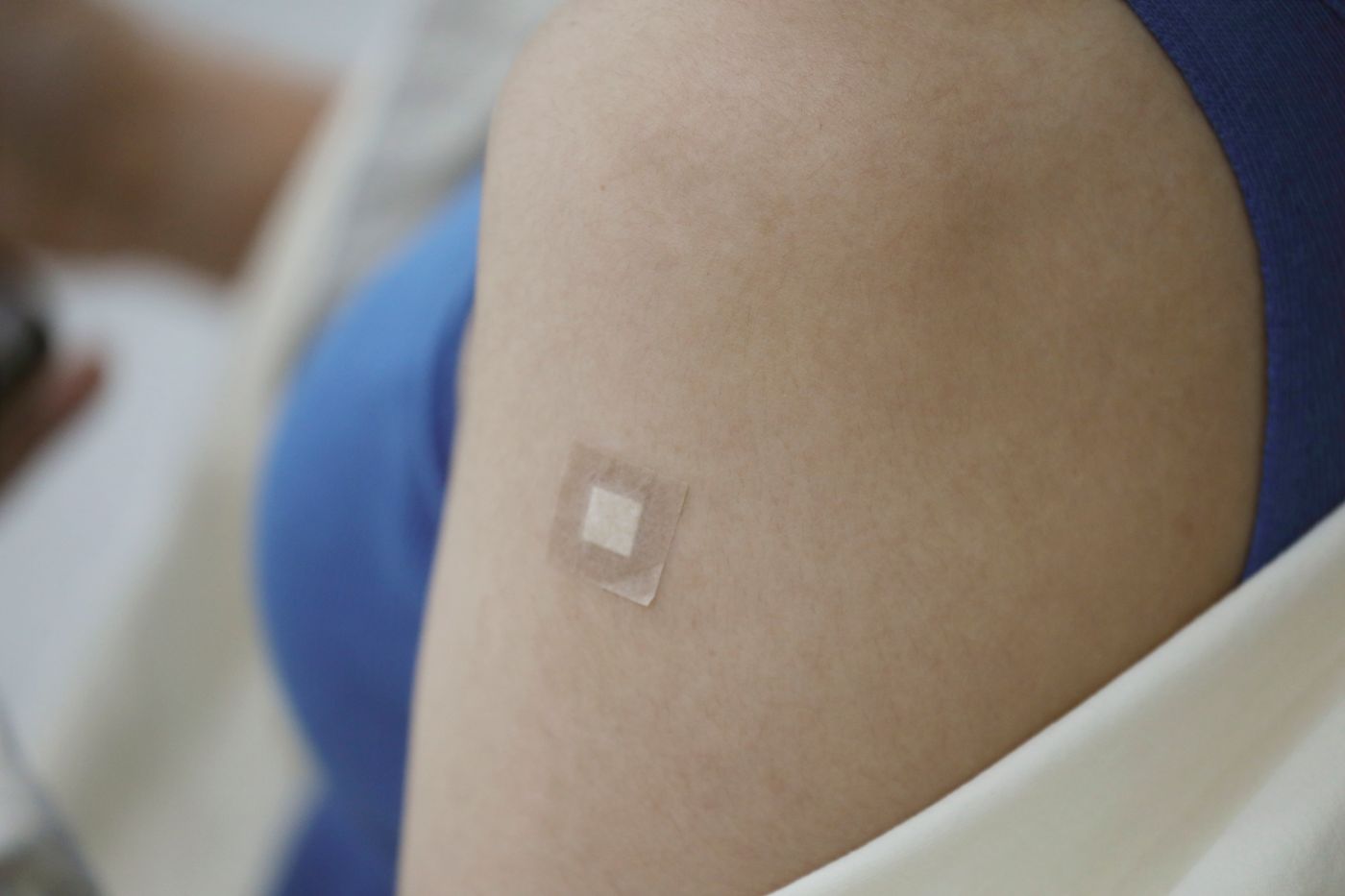
Vaccinations are a routine part of growing up, but many children (and plenty of parents) feel nervous about them. The good news is that a little preparation goes a long way. Here are some simple ideas that help make the visit calmer.
Before the visit
- Bring your child’s vaccination record, so the nurse can check which vaccines are due
- Tell older children the truth in simple words: it may pinch for a moment, and then it is over
- Avoid promising that it will not hurt, and avoid using the visit as a threat
- Dress your child in clothes that make the upper arm or thigh easy to reach
- Pack a favourite toy, blanket or book for comfort
During the visit
Stay close and stay calm: children take their cue from you. Babies can be held, cuddled or fed during or just after the injection, and many settle faster that way. Toddlers and older children often cope better when they sit on your lap, and when something else holds their attention, such as a song, a video, blowing bubbles or counting together.
It is fine for your child to cry. Tell them they are doing well, and let them choose a sticker or a small reward afterwards.
After the visit
Mild reactions are common and usually pass within a day or two: a sore, red or slightly swollen spot where the injection was given, being a bit fussy, sleepy or off their food, or a mild fever. Offer extra cuddles and drinks. Ask your doctor or nurse whether and how to give a fever or pain medicine, and always follow the dose for your child’s age and weight.
When to call
- Call the clinic if a reaction worries you, if a fever is high or lasts more than a day or two, or if your baby is very unsettled
- Call 911 straight away if your child has trouble breathing, swelling of the face or lips, or becomes very pale, floppy or hard to wake
If you have questions about which vaccines your child needs, or why, bring them to the visit. There is always time to ask.
This article is general information, not medical advice. If you are worried about your child, call your doctor. In an emergency, call 911.