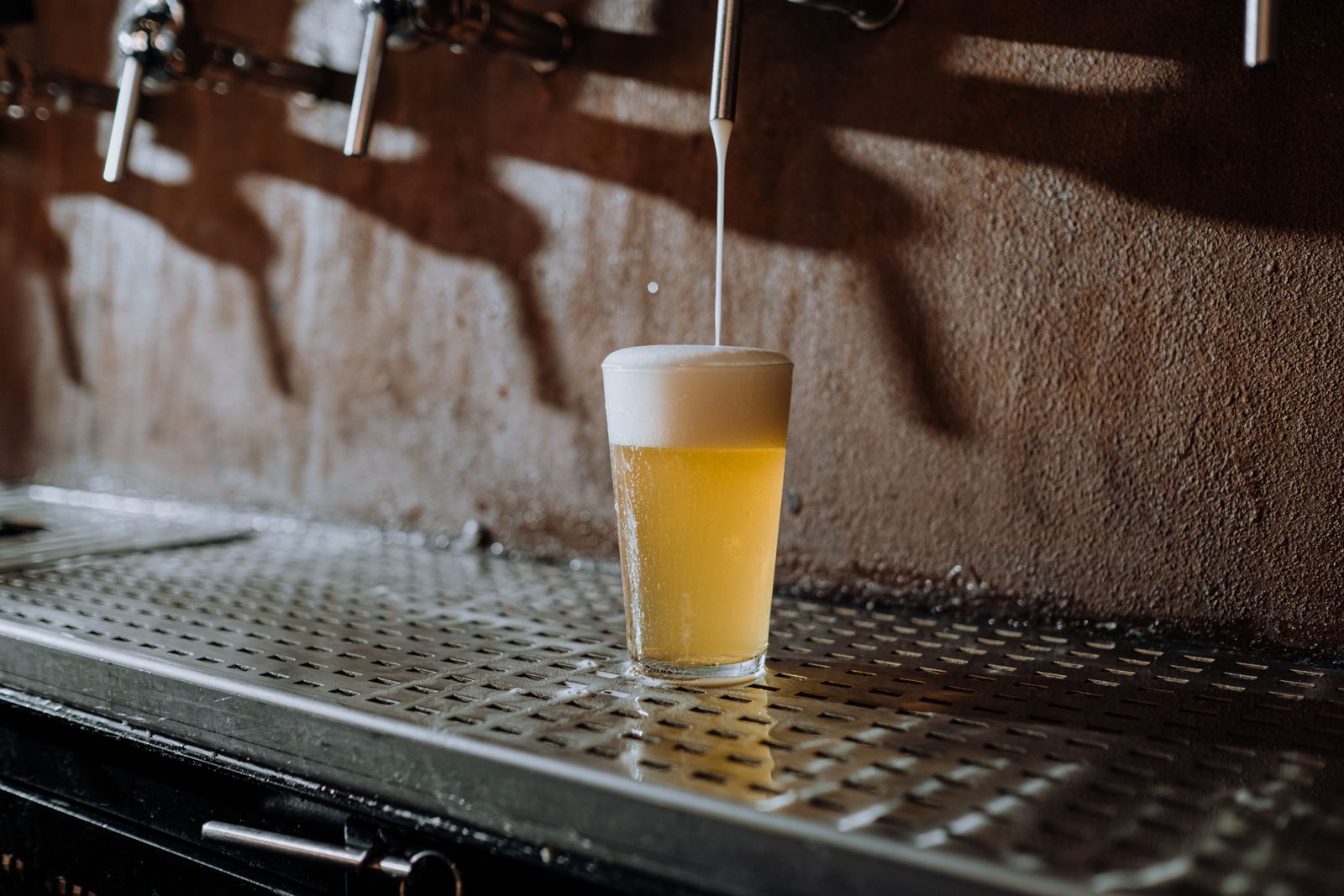
Pale ale and IPA sit next to each other on almost every tap list, and they are close relatives. Both are ales brewed with pale malts and plenty of hops. The difference is mostly a matter of degree: how much hop character, how much bitterness and, usually, how much alcohol.
What is a pale ale?
A pale ale is a balanced, easy-drinking beer. The malt gives a light bready or biscuit flavour, and the hops add citrus, pine or floral notes and a gentle bitterness. Most pale ales are somewhere around 4.5 to 6% ABV, which makes them a good first choice when you are not sure what to order.
What makes an IPA different?
IPA stands for India pale ale. It is a stronger, hoppier version of a pale ale: more hops in the kettle and often more added during or after fermentation (called dry hopping). Expect bigger aromas, more bitterness or juiciness, and an ABV that is often between 6 and 7.5%.
West Coast or hazy?
- West Coast IPA: clear, dry and crisp, with pine, resin and grapefruit and a firm bitter finish.
- Hazy or New England IPA: cloudy, soft and smooth, with tropical fruit flavours like mango and passion fruit and less bitterness.
- Session IPA: lots of hop aroma with a lower ABV, usually under 5%.
- Double or imperial IPA: more of everything, including alcohol, so it is often served in a smaller glass.
How to choose
If you like gentle, balanced beers, start with a pale ale. If you love big citrus or tropical aromas, try a hazy IPA. If you prefer a dry, bitter finish, go for a West Coast IPA. Not sure? Order a flight of small tasters and compare them side by side, and ask the bar staff what is freshest.
Whatever you choose, enjoy it slowly, drink water between beers and plan a safe way home. Our beers are for guests aged 21 and over.