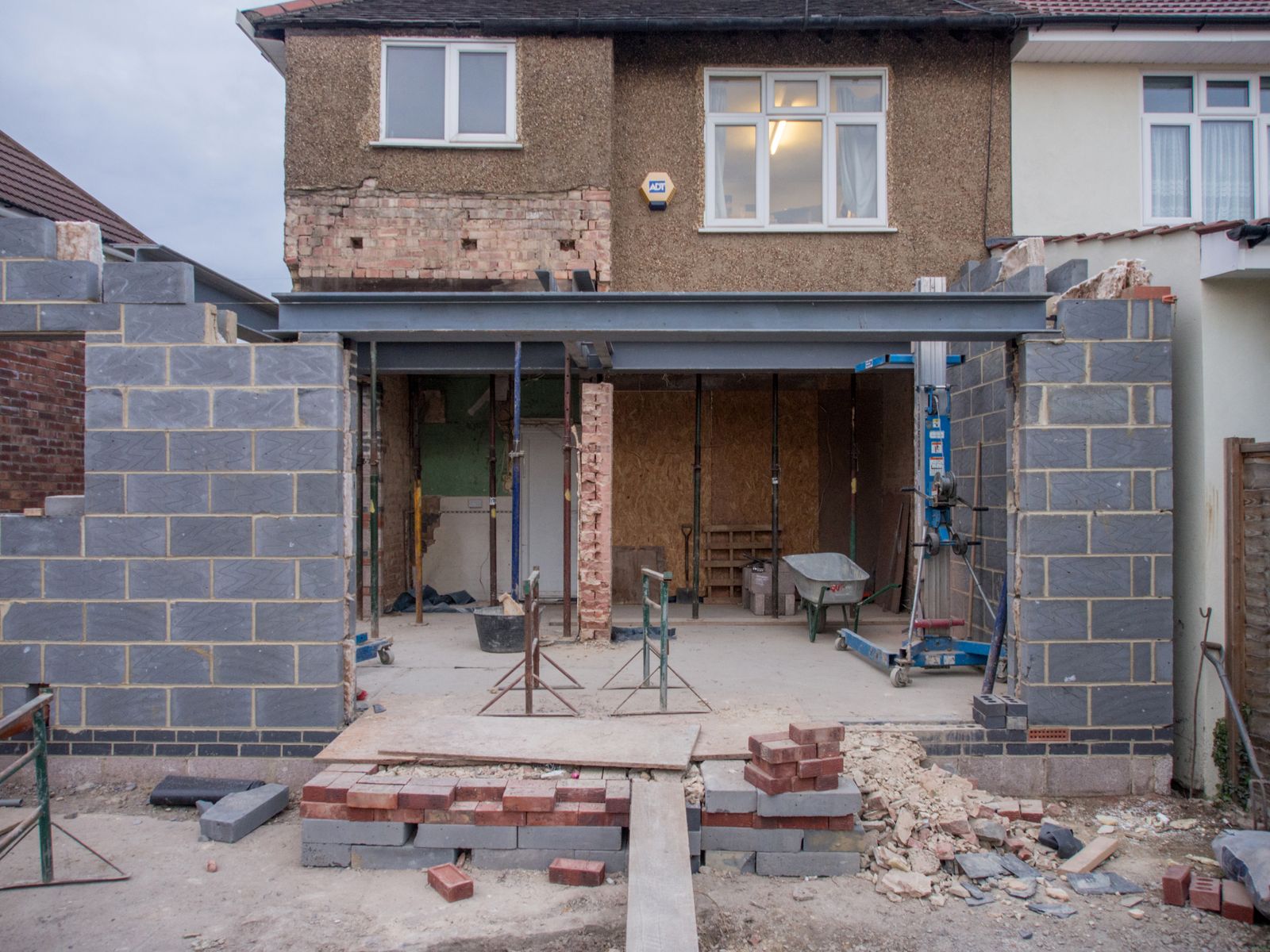
Whether an extension needs planning permission depends on its size, where it sits on the house, where the house is and the rules of your local planning office. Two similar extensions on two streets can be treated differently, so it is worth checking early.
What usually matters
- Size and height: how far the extension comes out from the house and how tall it is.
- Position: extensions at the front or side facing a road are often treated differently from rear extensions.
- The house and the area: listed or historic buildings and conservation or protected areas usually have stricter rules.
- Earlier changes: previous extensions may count towards what is allowed.
How to check
Look at your local planning office’s website: many publish guidance for householders, and some let you ask for a formal confirmation that a project does not need a full application. An architect can check the rules for your address at the start, before you spend money on detailed drawings.
Planning permission and building approval are separate. Even when you do not need planning permission, the work usually still has to meet building regulations or codes, and a builder will need drawings to work from.